
There are many ways to decorate walls, floors, and furnishings. Your ceiling can twist the look and feel of a room. The use of a creative ceiling design doesn’t just give a home a personality. It also makes each space memorable. These are some ways to transform overlooked ceilings into design features:
1. Turn the Ceiling into a Statement Piece
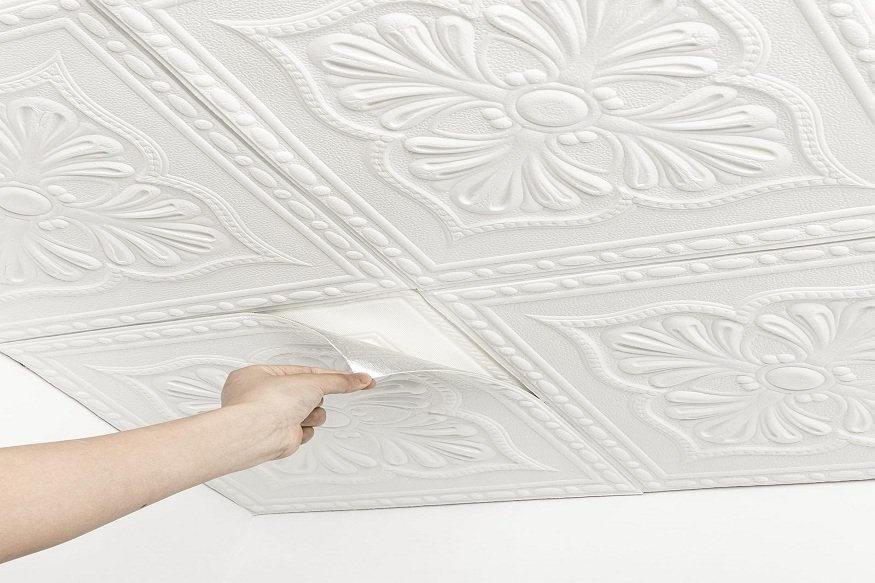
With the right materials and hues, a simple ceiling can be an effective design element. Ceiling tile doesn’t just provide texture. It also helps conceal small problems. Not to mention, it adds a new look to the space without making a big change. It is a basic improvement effort that can be utilized whether the home is vintage or contemporary style.
2. Add Depth with Layered Designs
Layered ceilings add interest without sacrificing space. Slim trim, recessed sections, or wood beams are available to impart more character to the ceiling. These elements are also useful to help establish various space types in open areas and maintain a cohesive design.
Read More: Revisions Matter: Why Iterating on Drafting Plans is Normal and Good
3. Bring Life with Color and Texture
Most ceilings remain white for its sense of safety. But color can make for a surprising faceoff. Soft earth colors warm large rooms, whereas deep colors accentuate large ceiling spaces with a sense of drama. Smoothing the paint can also be combined with natural materials to add some texture and contrast. Here is how you can bring life with color and texture:
- Install wood panels for warmth and natural beauty.
- Take advantage of elegant decorative molding to frame and beautify the ceiling.
- Experiment with creating slight movement in the image with textured finishes.
- Combine various materials to achieve a unique and harmonious look.
4. Highlight Natural Materials
Natural materials add warmth often lost with painted surfaces. Use of bamboo panels adds texture. Not to mention, it ensures a sense of comfort in a room. These materials also seamlessly complement various decorating styles. These don’t just include the charm of a country estate. They also include a sleek aesthetic of contemporary apartments.
5. Design with Room Function in Mind
Each room requires different furnishings. So, your ceiling should be designed to address the needs of that room. Soothing hues can lend a calming comfort to a bedroom.
6. Blend Old and New Elements
This is a unique ceiling, blending the classic with the contemporary. Classic molding complements sleek lighting elements while the vintage styling of the panels complements simple furniture. The balance helps to make the room fresh yet retains the charm.
7. Improve Comfort through Ceiling Choices
Ceilings don’t just enhance aesthetics. They also impact comfort. Additionally, acoustic panels decrease noise in loud homes, and insulated materials decrease indoor temperatures during hot days of the year. Adding relevant utility features adds to the appeal of the finishes.
Read More: Why a Log Cabin Beats a Semi-Detached
In conclusion, your ceiling should receive the same care as other parts of your home. A few updates, like highlighting natural elements, will make your ceiling a lovely design feature.