
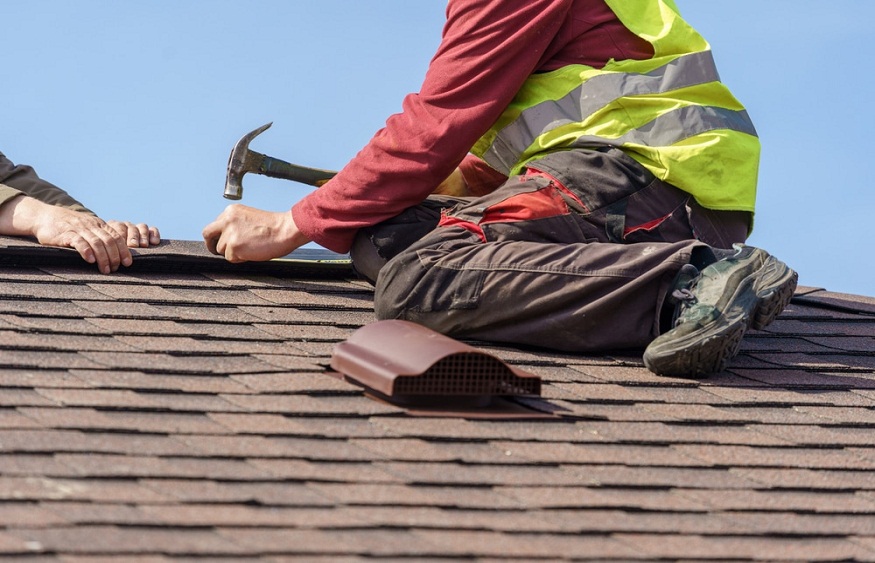
An ageing roof does not always mean you need a full replacement. In many cases, the structure underneath is still sound, but the surface has worn down due to years of exposure to weather, debris, and general wear. This is where roof restorations come into play. Instead of tearing everything off and starting again, restoration focuses on repairing, cleaning, and protecting the existing roof to extend its life.
For homeowners looking to improve both appearance and performance without the cost of replacement, understanding how restoration works can help you make a more practical decision.
Why Roofs Deteriorate Over Time
Every roof is constantly exposed to external conditions. Sunlight, rain, wind, and temperature changes all contribute to gradual deterioration. Over time, roof tiles may become brittle, metal sheets can start to corrode, and protective coatings begin to wear away.
Read More : Expert Tips: How to Choose the Right Water Softener for Your House
In areas with heavy rainfall or strong UV exposure, this process tends to happen faster. Moss, lichen, and dirt buildup can also trap moisture, leading to further damage if not addressed early.
Despite this, many roofs remain structurally stable underneath. This is why roof restorations are often a suitable solution, as they focus on restoring functionality without removing the entire system.
Signs Your Roof Needs Restoration, Not Replacement
It is important to recognise when a roof can be restored rather than replaced. Surface-level issues are usually the key indicator.
Faded or discoloured tiles, minor leaks, cracked or chipped sections, and the presence of moss or mould are common signs. You may also notice water stains on ceilings or reduced insulation performance.
If the roof structure is still intact and there are no major structural failures, roof restorations can address these issues effectively. A professional inspection helps confirm whether restoration is the right option.
The Roof Restoration Process Explained
A proper restoration follows a structured process designed to improve both durability and appearance. The first step is a detailed inspection to identify problem areas such as cracks, leaks, or damaged sections.
Next comes cleaning. High-pressure cleaning removes dirt, moss, and debris from the surface. This step is essential because it prepares the roof for repairs and coatings.
Repairs are then carried out. Broken tiles are replaced, cracks are sealed, and ridge caps are secured where needed. Once repairs are complete, the roof is ready for protective treatments.
Finally, a sealing and coating system is applied. This layer helps protect the roof from moisture, UV damage, and future wear. Modern coatings also improve the overall look of the roof, giving it a refreshed appearance.
This complete process is what defines professional roof restorations, ensuring both performance and longevity.
Benefits of Restoring an Ageing Roof
Choosing restoration over replacement offers several practical advantages. One of the biggest benefits is cost savings. Restoration is significantly more affordable because it uses the existing structure instead of replacing it entirely.
It also extends the life of your roof. With proper treatment and maintenance, a restored roof can last for many more years without major issues.
Another benefit is improved appearance. Over time, roofs can become dull and worn, affecting the overall look of the property. Restoration brings back a clean and uniform finish, which can also increase property value.
Energy efficiency is another factor. Modern coatings can reflect heat, helping to regulate indoor temperatures and reduce energy costs.
These advantages make roof restorations a practical choice for homeowners looking to improve their roof without major disruption.
Common Issues That Can Be Fixed Through Restoration
Many roofing problems can be resolved without full replacement. Cracked tiles, loose ridge caps, minor leaks, and surface corrosion are all issues that restoration can address.
Even roofs with visible wear can often be repaired and sealed effectively. The key is to act early before the damage spreads to the underlying structure.
By addressing these issues through roof restorations, homeowners can avoid more serious problems in the future and maintain the integrity of their roof.
When Replacement Is the Better Option
While restoration is effective in many cases, it is not suitable for every roof. If the structure has significant damage, such as severe sagging, widespread rot, or major structural failure, replacement may be necessary.
Roofs that have reached the end of their lifespan and cannot support repairs will not benefit from restoration. In such cases, investing in a new roof is the more reliable solution.
A professional assessment is essential to determine whether roof restoration will provide long-term value or if replacement is the better choice.
How to Maintain a Restored Roof
Once a roof has been restored, regular maintenance is important to keep it in good condition. Cleaning the roof periodically prevents the buildup of dirt and organic growth.
Checking for minor damage after storms or heavy weather helps catch issues early. Keeping gutters clear ensures proper drainage and reduces the risk of water damage.
Scheduling routine inspections also helps maintain the effectiveness of the restoration work. These simple steps can significantly extend the life of a restored roof.
Choosing the Right Professionals for the Job
The quality of a restoration depends heavily on the expertise of the professionals carrying out the work. Proper inspection, preparation, and application of coatings require experience and the right tools.
Working with qualified specialists ensures that the restoration is done correctly and that the results last. It also reduces the risk of recurring issues caused by incomplete or poor-quality work.
Reliable contractors offering roof restoration will provide clear assessments, detailed processes, and realistic expectations about the outcome.
Conclusion
An ageing roof does not always need to be replaced. In many cases, it can be restored to a strong and functional condition with the right approach. By addressing surface damage, improving protection, and maintaining the existing structure, restoration offers a cost-effective and practical solution.
Read More : Understanding Indoor Generators: Key Indicators and the Jackery Solar Generator 2000 Plus
Understanding the condition of your roof and acting at the right time makes all the difference. With professional roof restorations, you can extend the life of your roof, improve its appearance, and avoid the expense of a full replacement.