
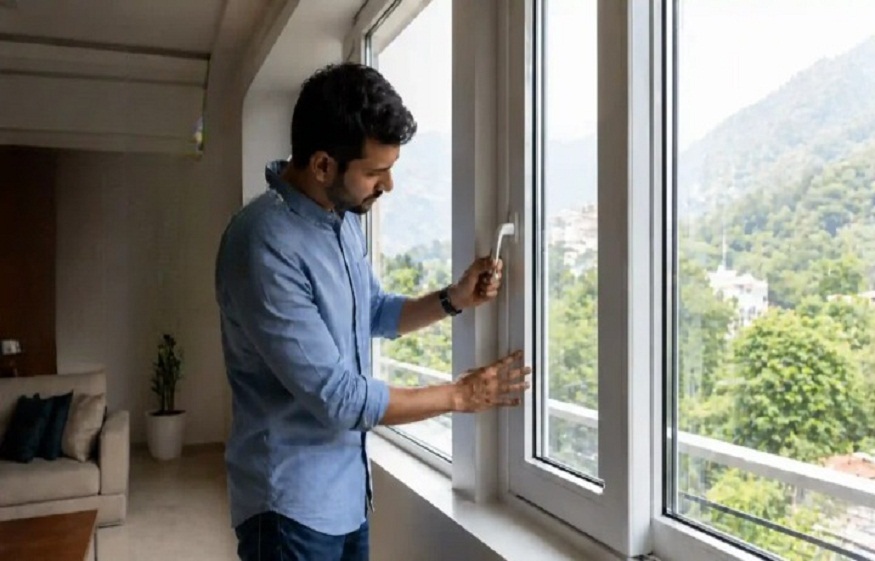
Choosing the right uPVC windows is an important investment that can significantly improve your home’s comfort, energy efficiency, security, and overall appearance. Known for their durability, low maintenance, and weather resistance, uPVC windows have become a preferred choice for modern homes, apartments, villas, and commercial buildings. However, not all uPVC windows offer the same level of performance.
Many homeowners make the mistake of selecting windows based solely on price or appearance, overlooking important factors such as profile quality, glazing, hardware, and installation. These decisions may seem cost-effective initially but can lead to higher maintenance expenses, poor insulation, operational issues, and reduced lifespan over time.
Read More : Mediterranean Facade Ideas for Lasting Curb Appeal
Before investing in new uPVC windows, it is essential to understand the common mistakes buyers make and how to avoid them. Making an informed decision ensures that your windows deliver reliable performance and long-term value for years to come.
1. Choosing Price Over Quality
One of the most common mistakes is purchasing the cheapest available option.
While saving money upfront may seem attractive, low-cost uPVC windows often use inferior profiles, low-grade hardware, or substandard sealing systems. These compromises can result in air leakage, water seepage, difficulty in operation, and frequent repairs.
Instead of comparing prices alone, evaluate the overall quality of the window system. A slightly higher initial investment in premium-quality uPVC windows often translates into better durability, improved performance, and lower maintenance costs over the years.
2. Ignoring the Quality of the uPVC Profile
The profile forms the structural foundation of every uPVC window, yet many buyers pay little attention to its quality.
High-quality profiles are engineered to resist UV exposure, moisture, corrosion, and changing weather conditions. They also provide better structural stability and long-term performance.
Always ask about the profile specifications and choose products manufactured according to recognized quality standards.
3. Overlooking Glass Selection
Many homeowners focus on the frame while overlooking the importance of the glass.
The type of glazing directly affects energy efficiency, sound insulation, safety, and indoor comfort. Single-glazed windows may be suitable for some applications, but double-glazed or Low-E glass can significantly improve thermal performance and reduce outside noise.
Choosing the right glass based on your location and climate helps maximize the benefits of uPVC windows.
4. Ignoring Energy Efficiency Features
One of the biggest advantages of uPVC windows is their ability to improve a home’s energy efficiency. Unfortunately, some buyers fail to consider this aspect.
Look for windows with multi-chamber profiles, effective weather seals, and high-quality glazing. These features reduce heat transfer, helping maintain comfortable indoor temperatures while reducing dependence on air conditioning and heating systems.
Energy-efficient windows not only improve comfort but can also contribute to lower electricity bills throughout the year.
5. Choosing Poor-Quality Hardware
Even the best uPVC profiles cannot perform properly if fitted with inferior hardware.
Handles, hinges, rollers, and locking systems are used daily and should be designed for long-term durability. Low-quality hardware may become loose, difficult to operate, or fail prematurely, affecting both convenience and security.
Choose windows equipped with premium hardware and multi-point locking systems to ensure smooth operation and enhanced safety.
6. Not Verifying Installation Quality
Incorrect installation can lead to air leakage, water seepage, poor insulation, operational problems, and reduced lifespan. Even high-quality uPVC windows may underperform if they are not installed correctly.
Always choose experienced installation professionals who follow manufacturer guidelines and ensure accurate alignment, proper sealing, and secure fixing.
7. Selecting the Wrong Window Style
Different rooms have different ventilation, lighting, and accessibility requirements.
Choosing a window style based only on appearance can reduce functionality. Sliding windows, casement windows, tilt-and-turn windows, and fixed windows each offer specific advantages depending on their application.
Consider ventilation needs, available space, ease of cleaning, and architectural style before making your final selection.
8. Ignoring Warranty and After-Sales Support
Many buyers overlook warranty coverage until a problem occurs.
A reliable manufacturer should provide clear warranty terms covering the uPVC profile, hardware, and manufacturing defects. Equally important is access to dependable after-sales service for maintenance, adjustments, or replacement parts if required.
Choosing a manufacturer with strong customer support provides peace of mind and protects your investment over the long term.
9. Buying Without Researching the Manufacturer
The quality of uPVC windows varies significantly between manufacturers.
Purchasing from an unknown supplier without checking certifications, manufacturing standards, or customer reviews may increase the risk of receiving products that fail to meet performance expectations.
Before making a purchase, research the manufacturer’s reputation, years of experience, completed projects, and customer feedback. Established manufacturers generally maintain stricter quality control and provide better technical support.
10. Forgetting Future Maintenance Requirements
Although uPVC windows are known for their low maintenance, they still require basic care to perform efficiently.
Some buyers assume that no maintenance is necessary after installation. In reality, periodic cleaning of the frames, drainage channels, and tracks, along with occasional lubrication of hinges and locks, helps ensure smooth operation and extends the lifespan of the windows.
Understanding these simple maintenance requirements allows homeowners to preserve the appearance and functionality of their investment.
Tips for Buying the Right uPVC Windows
Before making your final decision, keep these practical recommendations in mind:
- Compare product quality rather than price alone.
- Choose high-quality uPVC profiles from a trusted manufacturer.
- Select double-glazed or Low-E glass if energy efficiency is a priority.
- Ensure the windows include premium hardware and multi-point locking systems.
- Verify that professional installation is included.
- Review warranty coverage and after-sales support.
- Consider your local climate and ventilation requirements before selecting window styles.
A careful evaluation of these factors will help you choose windows that deliver excellent performance for years to come.
Conclusion
Buying uPVC windows is a long-term investment that affects your home’s comfort, energy efficiency, security, and maintenance costs. While attractive pricing and stylish designs may influence purchasing decisions, overlooking important factors such as profile quality, glazing, hardware, installation, and manufacturer reputation can result in unnecessary expenses and disappointing performance.
Read More : Stop Ignoring Data Center Noise Control – It’s Costing You
By avoiding these common mistakes, homeowners can confidently select uPVC windows that offer lasting durability, improved insulation, enhanced security, and minimal maintenance. Taking the time to compare products carefully and work with a trusted manufacturer ensures that your investment continues to deliver value, comfort, and reliable performance for many years.